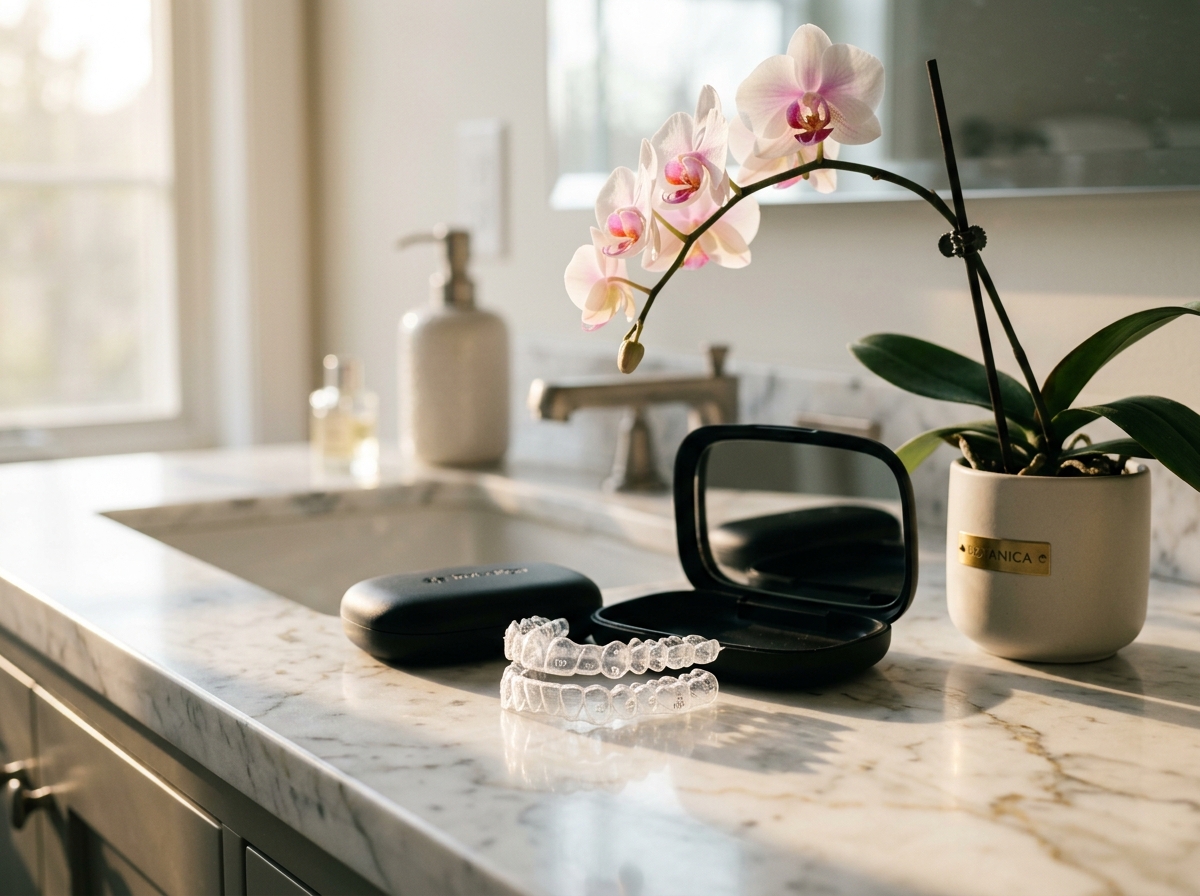
Clinical Executive Summary: When evaluating porcelain veneers in Kolkata & Mumbai clinics, porcelain veneers and direct composite bonding represent the two primary modalities for aesthetic smile transformation, yet they differ fundamentally in material science, optical properties, and longevity. Sintered feldspathic and lithium disilicate (IPS e.max) porcelain veneers replicate natural dental enamel with an optical refractive index matching native hydroxyapatite, resisting coffee, tea, and tobacco stains indefinitely. With modern 0.3mm to 0.5mm ultra-thin prepless techniques, ceramic veneers preserve 90%+ of natural enamel and deliver clinical survival rates exceeding 15 to 20 years, whereas composite resins require periodic repolishing and replacement every 4 to 7 years.
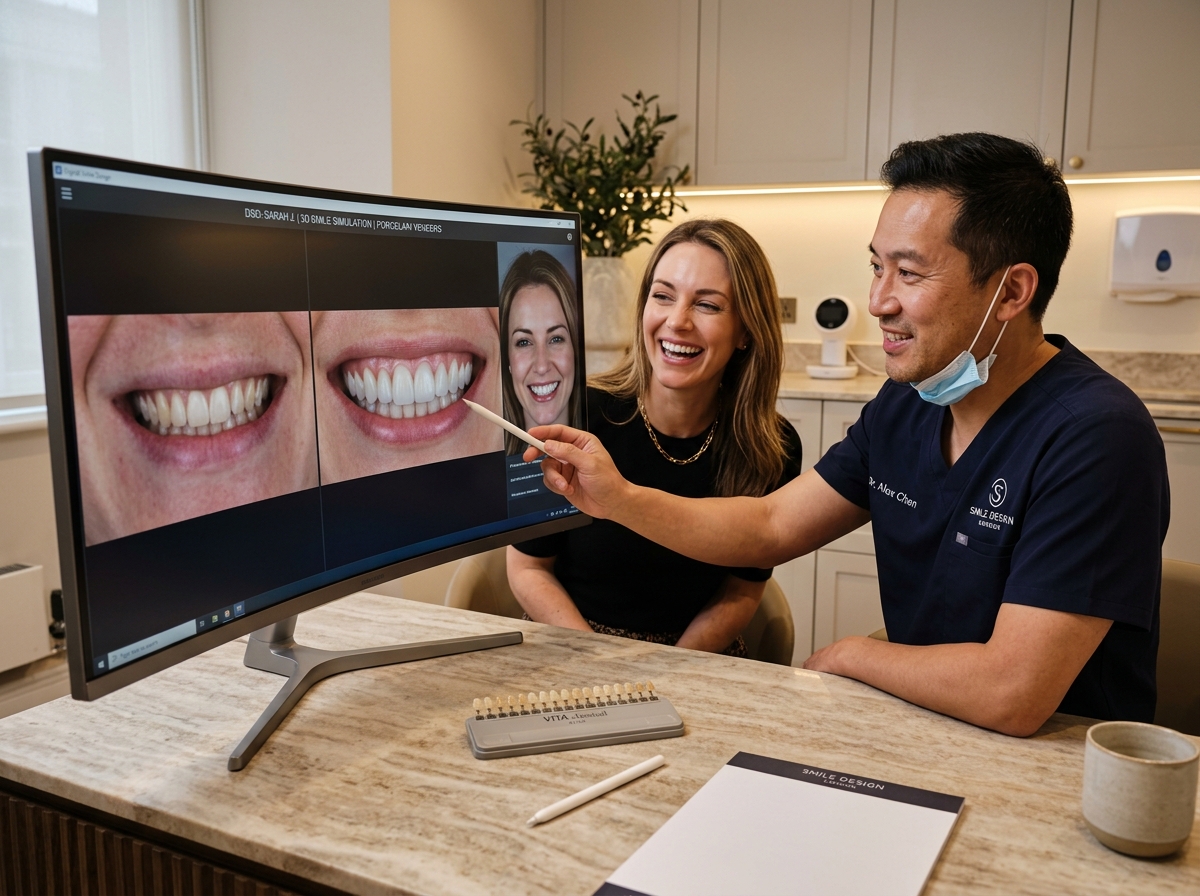
Evaluating porcelain veneers Kolkata & Mumbai vs Composite Bonding Durability
The cosmetic debate between porcelain veneers and composite bonding is rooted in materials chemistry:
- Lithium Disilicate (IPS e.max): High-strength glass-ceramic formed by crystallizing lithium metasilicate into lithium disilicate crystals embedded in a glassy matrix. Zero porosity prevents chromogenic dietary stains (turmeric, wine, espresso) from penetrating, while providing 400 to 500 MPa flexural strength.
- Direct Composite Resin: Dimethacrylate resins (Bis-GMA, UDMA) filled with microscopic silica/zirconia fillers. Undergoes gradual hydrolytic degradation (water sorption) over time, developing microscopic surface pits that trap stains and dull surface luster.
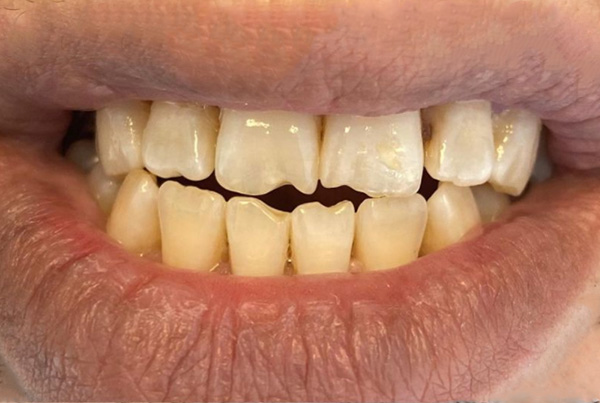
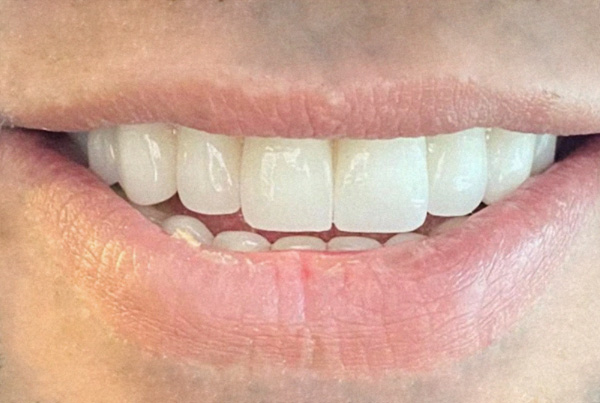
Clinical Transformation: 8-Unit Ultra-Thin Veneers
The Prepless Revolution: 0.3mm Enamel Conservation
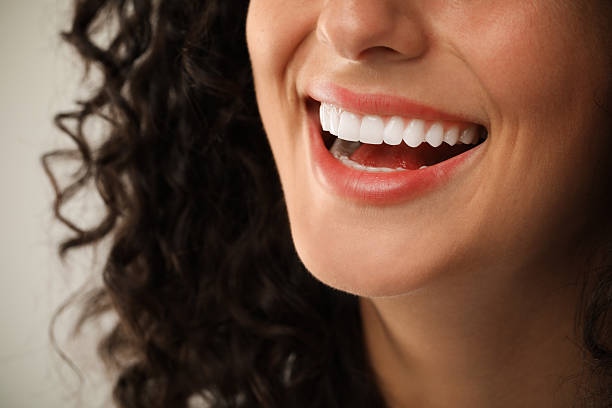
In modern aesthetic dentistry, aggressive tooth shaving is completely obsolete. Micro-prep and prepless veneers measure as thin as 0.3 mm to 0.5 mm (comparable to a contact lens). Confined strictly to the outer enamel mantle, ceramic-to-enamel resin bonding creates a monolithic chemical fusion with 30+ MPa bond strength, preserving pulp vitality with zero sensitivity.
Detailed Clinical Comparison
| Feature / Parameter | Custom Porcelain Veneers (IPS e.max) | Direct Composite Bonding |
|---|---|---|
| Material Base | High-density lithium disilicate or feldspathic ceramic | Dimethacrylate polymer resin with silica fillers |
| Average Clinical Lifespan | 15 to 20+ years with proper care | 4 to 7 years before staining or chipping |
| Stain Resistance | 100% Impermeable (resists turmeric, coffee, smoke) | Prone to surface discoloration & marginal staining |
| Optical Translucency | Natural depth, opalescence, and enamel fluorescence | Flatter optical light transmission over time |
| Tooth Preparation Required | Minimal micro-prep (0.3mm–0.5mm) or 100% prepless | Minimal to none; sculpted directly over enamel |
| Chipping Resistance | High flexural strength (400–500 MPa) | Moderate strength (120–160 MPa); prone to edge chipping |
| Optical Fluorescence & Polish Retention | Permanent: Refractive index matches natural hydroxyapatite | Dulls over time; requires annual repolishing |
| Marginal Enamel Adhesion | 30+ MPa chemical fusion with silane coupling agents | Micromechanical bond; susceptible to marginal leakage |
Interactive Smile Self-Assessment: Which One is Right for You?
Find Your Best Aesthetic Option:
- ⭐ Choose Porcelain Veneers if: You want permanent stain resistance (love coffee/tea), desire a 15-20 year lifespan, and need a full smile transformation across 6 to 10 teeth.
- ⭐ Choose Composite Bonding if: You have a single minor chip, small gap between front teeth, or want an immediate budget-friendly fix in one visit.
Frequently Asked Questions (FAQ)
Can porcelain veneers pop off or debond easily?
When bonded strictly to enamel using modern silane coupling agents and resin adhesives, ceramic veneers fuse permanently. Clinical debonding rates are under 1%.
Do veneers look fake or opaque?
Only poorly crafted crowns look fake. Our master ceramists build incisal translucency, mammelons, and surface micro-texture matching natural youthful teeth.
Browse real transformations in our Dental World Smile Gallery.